
Nutrition
Creatine and the Brain
Long dismissed as a gym supplement, creatine is one of the most interesting molecules in neurology: cheap, well tolerated, and increasingly studied for cognition, mood, concussion, and sleep deprivation.
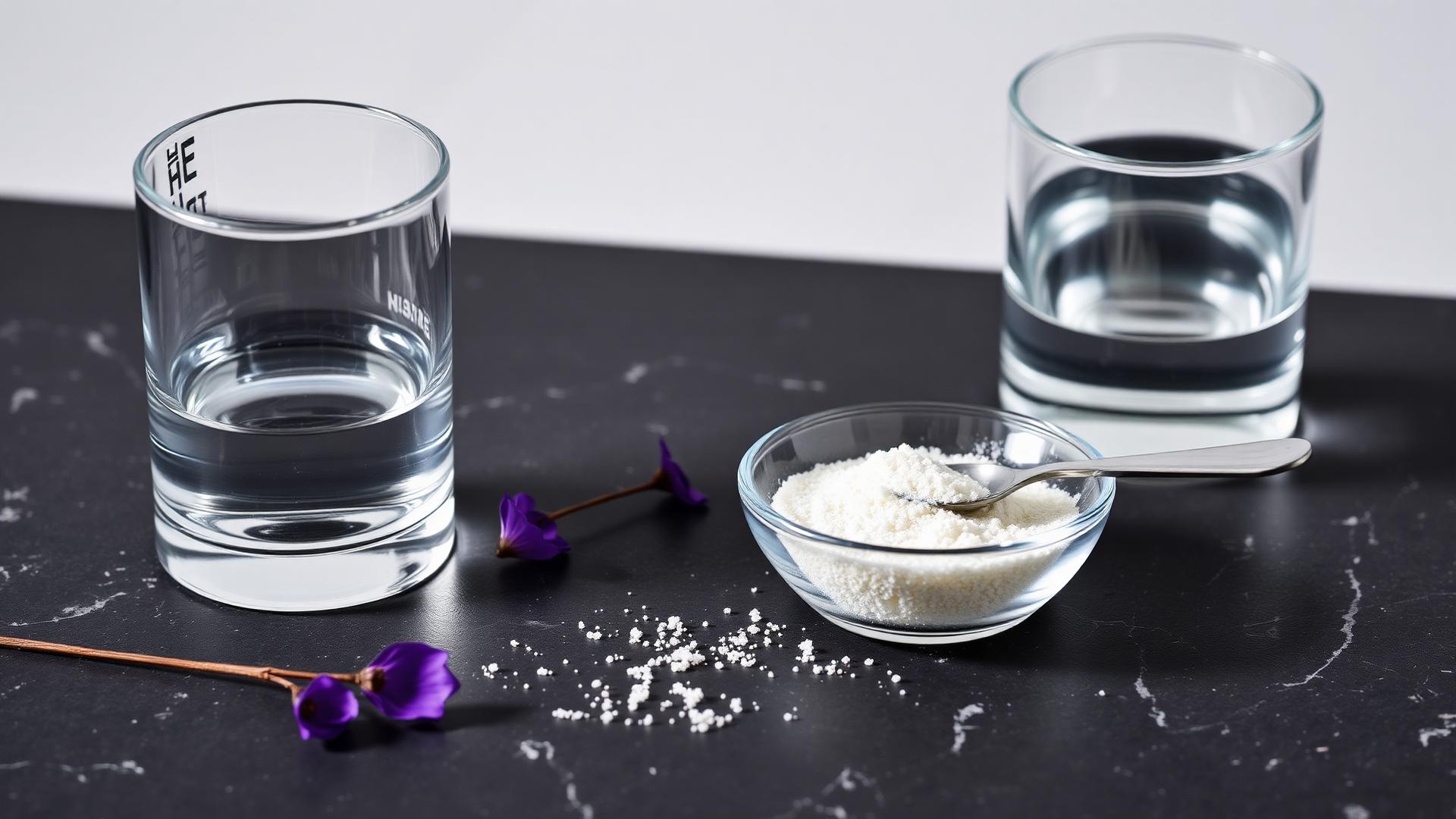
Creatine has an image problem. Most people file it under bodybuilding, next to protein tubs and pre-workout. That framing has obscured something our clinicians find genuinely compelling: creatine is fundamentally a brain-energy molecule, and the neurological literature around it is growing quickly.
What creatine actually does
Every cell runs on ATP, and the brain is among the hungriest tissues in the body, consuming roughly a fifth of your energy while accounting for about two percent of your mass. Creatine, stored in tissue as phosphocreatine, acts as a rapid buffer that regenerates ATP the moment demand spikes. Muscle uses this during a sprint. Neurons use it during sustained cognitive effort, and especially during stress.
Your body makes about a gram a day and you obtain the rest from meat and fish. Brain creatine turns over more slowly than muscle creatine, which is why neurological effects tend to require consistent intake rather than a single dose.
Where the evidence is strongest
Cognition under stress
The most reproducible finding is not that creatine makes a well-rested person smarter. It is that creatine protects performance when the brain is energetically stressed: sleep deprivation, high cognitive load, hypoxia. In those conditions supplementation has been associated with better reaction time, working memory, and reasoning.
Vegetarians and older adults
Benefits are largest in people who start with lower stores. Vegetarians and vegans consume little dietary creatine and consistently show the clearest cognitive response. Older adults, in whom brain creatine and memory performance both decline, are the other group where trials have been most encouraging.
Mood
Several trials have examined creatine as an adjunct in depression, particularly alongside SSRIs, with signals suggesting faster and greater improvement. The proposed mechanism is bioenergetic: depression is associated with impaired frontal lobe energy metabolism, and creatine addresses that directly. This is promising rather than settled, and it is not a substitute for treatment.
Concussion and traumatic brain injury
This is the area of greatest interest in our practice. The acute phase after a concussion is characterized by an energy crisis: ion pumps work overtime, mitochondrial function is impaired, and ATP demand outstrips supply at exactly the moment the brain can least afford it. Animal models and small human studies, including work in children and adolescents, suggest creatine may reduce the duration of symptoms such as headache, dizziness, and fatigue. The human evidence base is still small, and honesty about that matters.
“Creatine is not a nootropic. It is a buffer against the moments when the brain runs short of energy, which is precisely when patients feel worst.”
Practical use
Creatine monohydrate is the only form worth paying for; the exotic variants cost more and have not outperformed it. Look for a product carrying third-party certification such as NSF Certified for Sport or Informed Choice, which matters more than the brand on the label.
Typical dosing in the literature is three to five grams daily, taken at any time of day, with consistency mattering far more than timing. Brain saturation appears to require higher intake or longer duration than muscle saturation, so several weeks is a fair trial rather than several days. Loading phases are unnecessary outside of athletic contexts.
Safety, plainly
Creatine is among the most studied supplements in existence and has a strong safety record in healthy adults across decades of use. It does not damage kidneys in people with normal renal function, though it can modestly raise serum creatinine, a laboratory value, without reflecting any change in kidney function. That distinction confuses clinicians and patients alike.
Some people experience mild bloating or gastrointestinal upset, usually resolved by splitting the dose and drinking adequate water. Anyone with kidney disease, anyone pregnant or nursing, and anyone on multiple medications should discuss it with a physician first.
Our position
Creatine is inexpensive, well tolerated, and mechanistically sensible for a brain under strain. It is not a treatment for concussion, dementia, or depression, and no supplement substitutes for sleep, training, and nutrition. Within a physician-led plan, however, it is one of the few supplements our clinicians consider worth the conversation.
This note is educational and is not medical advice. Any supplement should be reviewed against your own history, medications, and laboratory values.
About the author
Dr. Marissa McCarthy
Board certified in Physical Medicine & Rehabilitation with sub-specialty certification in Brain Injury Medicine. Founder of Raeven Health, a concierge practice in Tampa, Florida.
Read full bio