
Protocols
A Minimum Effective Daily Protocol for Brain Health
Patients ask me for the shortest defensible list of daily habits that genuinely move the needle on cognition, mood, and long-term brain resilience. Here it is.
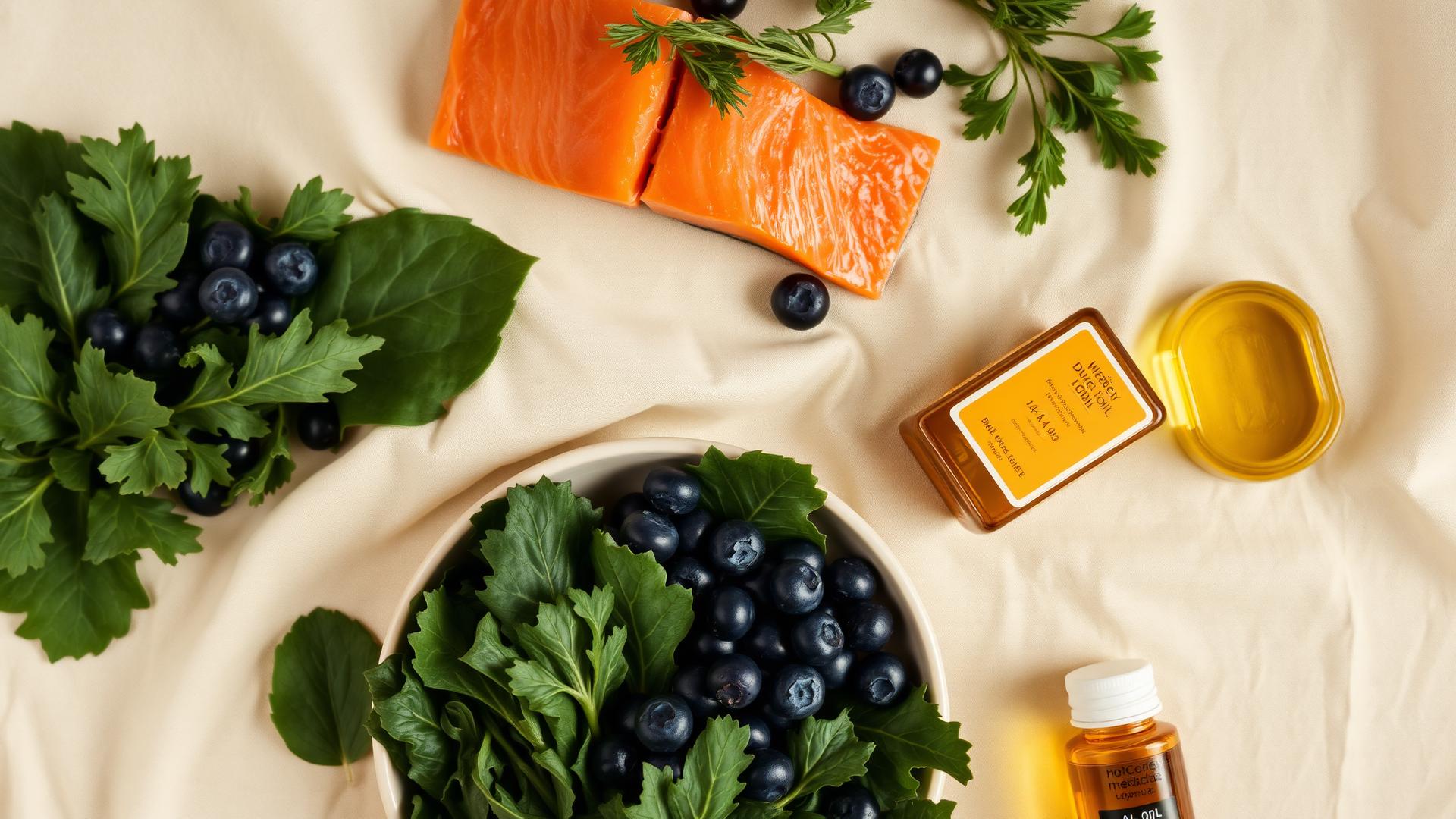
Patients often ask for the simplest defensible list of daily habits for the brain. Not the maximalist longevity stack. The minimum effective dose. This is the list I give them, and it is the list I follow myself.
Each item is here because the evidence is strong, the cost is reasonable, and the downside is low. Nothing on this list is exotic. The work is in the consistency.
Daily supplements
Vitamin D3, 2,000 to 4,000 IU
Most adults are insufficient. Adequate vitamin D supports immune function, mood, and cognition. Aim for a serum level of 40 to 60 ng/mL.
Omega-3 fish oil, 1 to 2 grams of combined EPA and DHA
DHA is a structural component of neuronal membranes. Higher omega-3 status is associated with larger hippocampal volume and slower cognitive decline.
Magnesium, 200 to 400 mg
Magnesium glycinate or threonate at night supports sleep depth and reduces sympathetic tone. Most diets are short of it.
Creatine monohydrate, 5 grams
Originally an athletic supplement, creatine now has growing evidence for cognitive benefit, particularly under sleep deprivation and high mental load. Five grams daily is the working dose.
A high quality multivitamin
Three recent randomized controlled trials, including the COSMOS-Mind study, suggest a daily multivitamin can slow cognitive aging by roughly two years over a three-year period in older adults. The effect size is modest. The intervention is almost free.
Weekly movement
Two zone-2 cardio sessions of thirty to forty-five minutes each, plus two resistance training sessions emphasizing compound lifts. Add one short interval session per week if time allows, a Norwegian 4x4 protocol, four minutes hard followed by four minutes recovery, repeated four times, is among the most efficient formats studied for VO2 max, which is one of the strongest predictors of all-cause mortality.
“VO2 max may be the single most underrated longevity biomarker.”
Daily food
Dark leafy greens at least once a day for folate, magnesium, and sulforaphane. Wild fatty fish two to three times a week for omega-3s. A daily serving of berries for polyphenols. Extra virgin olive oil as the primary fat. Adequate protein, roughly one gram per pound of ideal body weight, spread across meals.
Eating window
Finish eating at least three hours before bed. Aim for a twelve to fourteen hour overnight fast on most days. This protects sleep architecture, supports glymphatic clearance overnight, and improves morning insulin sensitivity without the hormonal cost of more aggressive fasting protocols.
Sleep, the non-negotiable
Same wake time every day. Morning light within thirty minutes of rising. A dark, cool, quiet room. No alcohol within three hours of sleep. If snoring or daytime fatigue is present, a sleep study is more useful than another supplement.
That is the list. It is unfashionably plain, which is part of why it works.
About the author
Dr. Marissa McCarthy
Board certified in Physical Medicine & Rehabilitation with sub-specialty certification in Brain Injury Medicine. Founder of Raeven Health, a concierge practice in Tampa, Florida.
Read full bio