
Nutrition
The Nutritional Principle That Cuts Through the Noise
Patients arrive overwhelmed by competing diets. One simple principle outperforms almost every named dietary framework and is far harder to corrupt.
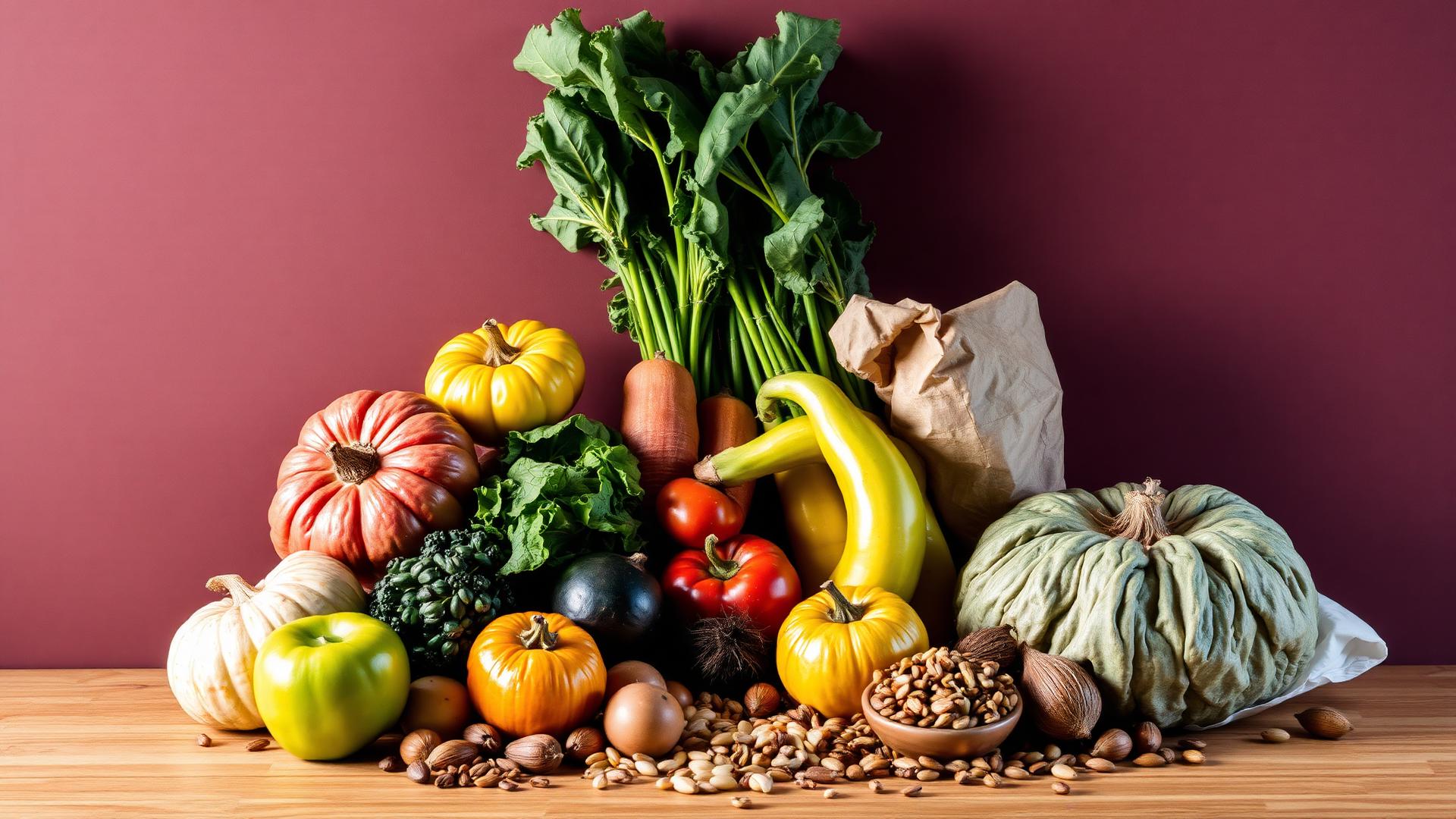
Patients come to clinic exhausted by the nutrition conversation. Keto, paleo, carnivore, plant-based, Mediterranean, intermittent this, time-restricted that. The labels multiply. The confusion grows. There is a simpler principle that outperforms most of them.
Eat whole, unprocessed food, as close to how it has always existed in nature as possible. That is the principle. Everything else is implementation detail.
A practical framework
Build meals around organic fruits, vegetables, nuts, seeds, beans, and legumes. Add pasture-raised meat, poultry, and eggs as quality allows. Choose wild caught fish and seafood. Use grass fed dairy where it agrees with you. None of this is controversial. All of it is real food.
What to avoid, with the same simplicity
Anything with a long ingredient list containing words you cannot picture as a natural food. Refined flour. Added sugar. Industrial seed oils, particularly soybean, canola, cottonseed, and sunflower. These three inputs form the foundation of ultra-processed food and are among the primary drivers of metabolic dysfunction, inflammation, and cardiometabolic disease.
“The body knows exactly what to do with real food.”
Why the noise exists
Most of the confusion around nutrition is manufactured. Guidelines are written by committees with industry ties. Research is too often funded by the very industries it is meant to evaluate. The result is a public square full of conflicting, increasingly absurd claims that benefit the people selling product more than the people seeking health.
The simpler answer
Eat what has existed for thousands of years. Avoid what was invented in a factory in the last hundred. Cook at home whenever you can. Read ingredient lists, not front-of-package marketing. The body recognizes the difference even when the debate does not.
This is not a diet. It is a posture toward food. And it is durable in a way no named protocol has ever been.
About the author
Dr. Marissa McCarthy
Board certified in Physical Medicine & Rehabilitation with sub-specialty certification in Brain Injury Medicine. Founder of Raeven Health, a concierge practice in Tampa, Florida.
Read full bio